A Shared Meal with Room for Conversation
A shared meal can feel welcoming without an elaborate menu. Keep the food manageable, make the table comfortable and give conversation room to unfold.

How do you host a shared meal without spending the evening performing as the host? A shared meal with room for conversation starts with a modest menu and a few choices that let you sit down, listen and enjoy the people who came.
Think of the meal less as a display and more as a lamp on a table: useful, welcoming, and not the whole point of being together. These field notes offer a low-pressure way to plan one, whether guests are old friends or still learning one another’s names.
Choose a menu that leaves you free to sit down
A menu can be generous without being elaborate. Choose food you can prepare mostly before guests arrive, and limit the number of things that need your attention at once. A pot of lentil soup, bread, a bowl of dressed greens and sliced fruit makes a complete meal without asking you to juggle several hot pans.
It helps to think about the meal in parts rather than courses. Pick a main dish, something fresh or crisp, and an easy finish. The parts can be placed on the table together, so nobody has to wait for a formal sequence or watch you disappear into the kitchen between plates.
Use familiar ingredients and a forgiving method. A tray of roasted vegetables can be served warm or at room temperature; a bean salad can wait while people talk. If you are unsure what guests eat, ask one simple question beforehand about dietary needs. You do not need to turn the invitation into a survey.
Say you have invited three friends for a weekday supper and know you will be working until shortly before they arrive. You decide on a vegetable soup made earlier, buy a good loaf from a local bakery, and set out apples and yoghurt with honey for after. The expected result is a meal that can be served with little last-minute attention, leaving you available to welcome people rather than monitor a complicated recipe.
Make the invitation clear and easy to answer
A low-pressure gathering begins before anyone reaches the door. Give guests a clear time, a simple description of the meal and any practical detail that may help them decide. “Come at half past six for soup and bread” is easier to respond to than a vague invitation to drop by sometime.
Make the tone match what you can offer. If you want guests to bring something, say so plainly and make the request small: “If you’d like, bring fruit or a drink; please don’t feel obliged.” If you prefer to provide everything, say that too. Unspoken expectations can make a casual evening feel like an assignment.
Consider the shape of your guest list, not just its size. People who already know one another may settle into conversation quickly. A mixed group can work well too, but it helps to invite people with some shared point of interest, such as gardening, a local walking route or a book everyone has been discussing. Avoid treating anyone as responsible for entertaining the rest.
Give guests a straightforward way to tell you about food needs, and respond without making a fuss. The aim is not to anticipate every preference. It is to make it comfortable for someone to say, for instance, that they do not eat dairy, so you can choose a dish that works or explain what alternatives are available.
Set the room up for easy conversation
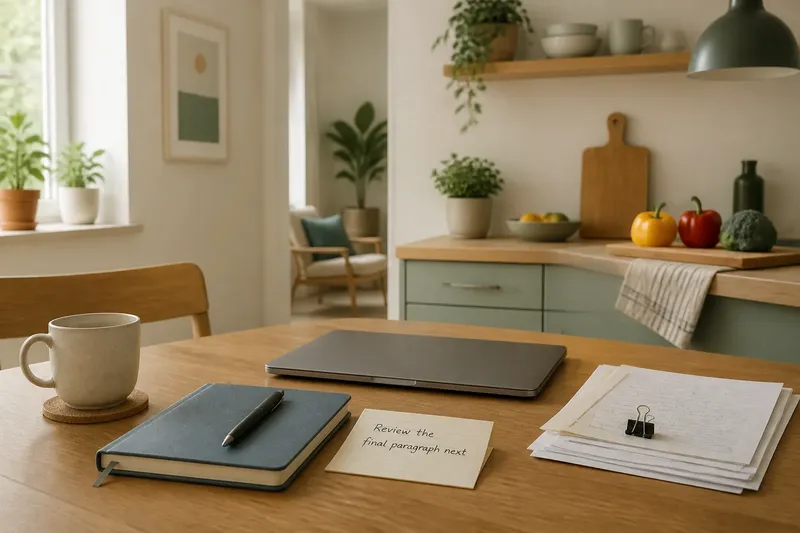
Look at the table from a guest’s seat. Can people see one another? Is there space for plates, glasses and serving bowls without pushing elbows together? A smaller table may feel more companionable than a large one with seats spread far apart. If you are using a sofa or a mixture of chairs, check that people can put down a plate safely.
Keep the centre of the table low. A vase of flowers, a bowl of mandarins or a candle in a stable holder can make the setting feel cared for, but tall arrangements and crowded decorations can interrupt sightlines. Use what you already have; folded cloth napkins or a clean tablecloth are pleasant, not a requirement.
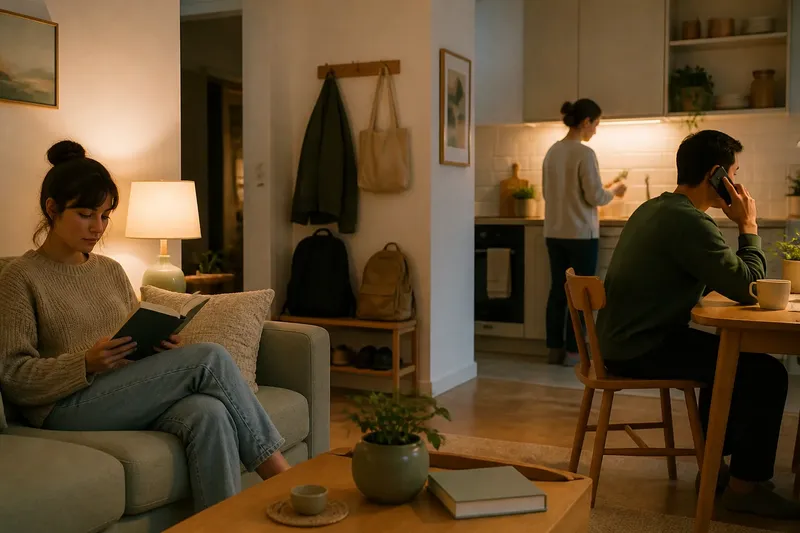
Light and sound influence how easy it is to stay engaged. Soft room lighting can be more comfortable than a bright overhead fitting, while music should sit low enough that people do not need to raise their voices. If the kitchen is noisy, close the door when you can, or choose a quieter playlist rather than trying to compete with it.
Put water where guests can reach it, and make serving utensils easy to spot. Small practical comforts reduce the number of times you need to interrupt a conversation to fetch something. If the meal is served family-style, leave room for bowls to pass without asking someone to move their glass each time.
Welcome people without keeping them on a schedule
Be ready to receive guests, but do not try to choreograph every minute. A glass of water, a place to put a coat and a brief hello are enough to make arrival feel easy. If someone is early, you can offer a small task only if it genuinely helps and feels optional, such as setting out the bread.
There is no need to call everyone to the table the moment they arrive. A little time to settle can make the first conversation less abrupt. Equally, if people are hungry, it is fine to serve the meal without waiting for a perfect moment. Warmth matters more than ceremony.
During the meal, stay with the group as much as you can. If something needs attention in the kitchen, keep the pause short or invite a guest to continue the conversation from the doorway. You are allowed to let a dish be imperfectly timed. Nobody needs a running commentary on what went wrong.
Make room for quiet as well as lively talk. A pause does not mean the evening has failed; people may be eating, listening or gathering a thought. Let the conversation breathe instead of rushing to fill every gap with a new question.
Use conversation prompts as open doors, not a programme
Questions can help a mixed group find its footing, but they work best when they sound like something you would ask naturally. Try “What have you been enjoying lately?” or “Have you found a good place to walk nearby?” These questions leave room for a short answer, a story or a change of subject.
Listen for a detail that invites a follow-up. If someone mentions learning to bake, you might ask what they have made recently, rather than jumping straight to your own similar story. Sharing your own answer can make an exchange feel balanced, but try not to turn each reply into a hand-off back to yourself.
Steer away from putting guests on the spot about personal matters, contentious subjects or anything they have signalled they would rather leave alone. If a topic begins to narrow the room into opposing sides, you can gently widen it: ask about a shared interest, return to the food, or let another person bring in a different thread.
Think of prompts as a spare match in a kitchen drawer: useful if the evening needs a little spark, but not something to wave around continually. The guests are not there to complete a set of conversation questions. They are there to share a meal and see where talking takes them.
Let the ending be kind and unforced
A good gathering does not have to stretch late. As the meal winds down, offer tea or coffee if you want to, then begin clearing in a relaxed way. You can leave some dishes until the next day rather than turning the final part of the evening into a cleaning sprint.
Make departure easy by saying something direct and warm when the time feels right: “I’m glad you came; I’m going to start winding down now.” Clear words are kinder than dropping hints while hoping guests will decode them. If someone needs to leave earlier, let them go without making the departure a verdict on the evening.
Afterwards, notice one thing that felt comfortable and one thing you might adjust next time. Perhaps a shared platter made serving simple, or the music made it hard to hear. This is not a scorecard; it is a way to make the next invitation better suited to your home and the people in it.
What makes a shared meal feel comfortable?
How much food should I prepare for guests?
Choose a main dish and a small number of simple sides, with portions that suit the people you have invited. If you are uncertain, ask about dietary needs and make the meal easy to serve rather than adding several extra dishes.
Should I ask guests to bring something?
You can, as long as the request is clear and genuinely optional. Suggest one uncomplicated contribution, such as fruit or a drink, and say plainly if you would rather provide the meal yourself.
What if conversation goes quiet?
Let the pause sit for a moment; people may simply be eating or listening. If it feels useful, ask an open question about a shared interest or tell a brief story of your own without demanding that everyone take a turn.
How can I include someone who does not know the others?
Introduce them with a detail they have already shared and that is easy to build on, such as a hobby or a neighbourhood connection. Stay attentive to whether they want to talk about it, and help the group find common ground without making them the evening’s subject.
A shared meal with room for conversation is not measured by the number of dishes or the polish of the table. It works when the practical choices let you be present: choose food that can wait, make the space comfortable, and trust that ordinary conversation needs room more than it needs a performance.